
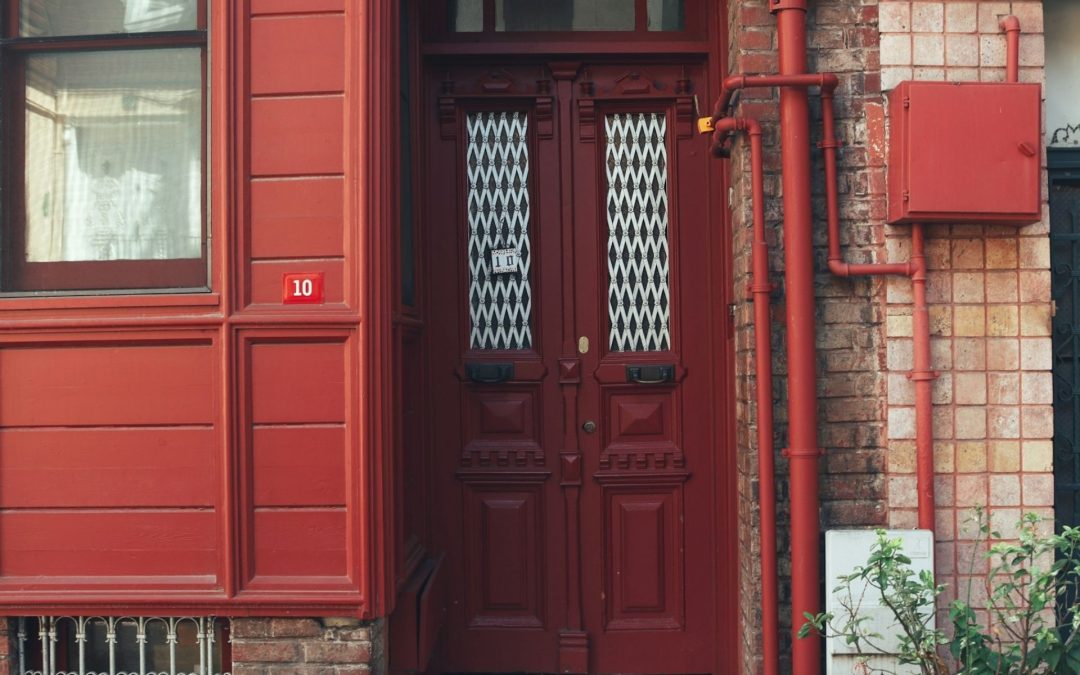
When you draw a front door, you are not just picking a style. You are quietly promising that this single element will keep people safe, comfortable and confident, while also satisfying the performance rules in the background. Security, ventilation, weather, egress, accessibility and energy all meet at this one point in the envelope.
This article looks at how to think about security, ventilation and standards together at the front door in Australian homes, and where a multi-function entry door fits inside that picture. It is written for architects, but it is intended to make sense to any client who wants to understand why their front door matters so much.
If you want the big-picture design story first, start with designing front doors your clients love living with, not screens they tolerate. For façade moves, designing ventilated front entries that do not rely on bolt-on screens is the next step. This page zooms in on performance, compliance and how a multi-function door can help you meet them without feeling like you are designing a piece of plant.
Why security, ventilation and compliance often get tangled
On many residential projects, front door decisions are made late and under pressure. By then, you are juggling
- A client who wants breeze and outlook but is nervous about security
- A certifier checking that doors, thresholds and hardware satisfy the National Construction Code in principle
- A builder wanting something robust, available and simple to install
- A façade that can easily be compromised by a last minute security screen
Because these pressures arrive at the same time, “security”, “ventilation” and “compliance” can blur into a vague requirement to “make the front door safe”. The default response is to specify a standard hinged door, then let security screens, deadlocks and ad hoc details accumulate later.
A multi-function entry door lets you step back and ask clearer questions
- What exactly should this front door do for security, airflow, weather and everyday use
- How do those expectations sit inside the broader performance framework of the National Construction Code and relevant Australian standards
- Is there a simpler way to meet those expectations with one well-designed element instead of a door-plus-screen combination
The rest of this article gives you a way to structure that thinking.
Start with four core performance questions at the front door
Regardless of house type or style, you can organise front-door performance around four simple questions
- Security
- How should the door behave when the house is “locked up”
- What level of resistance to casual forced entry is appropriate for this context
- Do people need to see and speak to visitors at a secure threshold
- Ventilation
- Should the door play an active role in natural ventilation and night purge
- Can occupants safely leave it in a “locked but breathing” state
- How does airflow at the door connect to cross-ventilation paths through the plan
- Weather and comfort
- How much sun, wind and rain does the entry actually see
- How should the door and surrounding wall manage water, draughts and heat gain or loss
- Does the threshold support safe movement while still dealing with weather
- Egress and accessibility
- Is the front door part of a required exit path
- Are threshold levels, door widths and hardware suitable for people with reduced mobility, prams or walkers
- Will the door still be usable as occupants age in place
Once you have answers to these questions, the National Construction Code and relevant standards stop feeling like a black box. They become a way of checking that the door you are already designing for people also ticks the basic performance boxes expected in Australian housing. Our article on helping older Australians feel steady and confident at their front door is especially useful when you are thinking about accessibility and ageing in place.
Where a multi-function entry door fits in the standards picture
A multi-function entry door like an Air Flow Door is still, fundamentally, a hinged front door. It is designed to plug into the same wall systems, thresholds and hardware patterns you already use, while adding a secure ventilation mode.
From a performance and compliance point of view, that means
- In its fully closed state, it behaves like a conventional front door with respect to weather protection, security hardware and egress
- In its secure-ventilation state (door locked, internal glass slid open, airflow through mesh), it must still protect against casual entry and manage water sensibly for the exposure of the site
- In both states, it has to work with your chosen wall construction, threshold detail and hardware layout
What you gain is
- One leaf instead of a door plus separate security screen
- One main lock to coordinate with digital or mechanical hardware
- A deliberately designed opening for air and visibility that can be considered in your section and elevation drawings, not tacked on later
Our technical piece on detailing multi-function entry doors in wall systems deals with jambs, thresholds and weathering in more depth. This article stays at the “what should this door be doing” level rather than clauses and subclauses.
Designing security that feels architectural, not tacked on
In many built homes, security at the front door is obvious: aggressive grilles, heavy bars and mismatched screens. They might reassure some residents, but they rarely feel like part of the architecture.
With a multi-function entry door, you can
- Provide a genuine barrier to casual forced entry using a single, robust leaf and security mesh
- Let occupants see and speak to visitors at a secure opening without opening the main door
- Keep lock positions and handles within the normal band for residential doors so the entry feels familiar
When you layer digital hardware onto that leaf, as we explore in coordinating digital locks with multi-function front doors, you still have one main door to manage. The result is a threshold that can be secure and tech-enabled without looking like a commercial entry transplanted into a house.
On higher exposure streets, the practical strategies in front doors for homes on busy roads help you tune glass, mesh and handle positions so people feel safe using the door at night without turning the façade into a fortress.
Treat ventilation at the front door as part of the whole-house strategy
The National Construction Code is concerned with things like minimum ventilation and energy performance at the scale of a room or a dwelling. At the front door, those requirements translate into simple questions
- Does this opening help or hinder our natural ventilation strategy
- Are we asking mechanical systems to compensate for a front door that is always shut because it is inconvenient or insecure to open
- Are we missing an opportunity to purge heat in the evenings or shoulder seasons
A multi-function entry door helps you
- Turn the front door into a controllable, secure inlet for fresh air
- Coordinate that inlet with rear sliders, high-level windows or stair voids, as described in designing ventilated front entries that do not rely on bolt-on screens
- Give clients a specific narrative: for example, “on hot nights, lock the door, slide open the glass and open the high rear window to pull air through safely”
On narrow lots and townhouses, this can be one of the only practical ways to bring air into the centre of the plan, as explored in front entries for narrow lots and townhouses. From an energy and comfort perspective, it is often more effective than relying solely on small, high windows that people rarely use.
Weather, corrosion and special exposure conditions
Performance at the front door is not just about security and airflow. It is also about how the door stands up over time in the specific climate and microclimate you are designing for.
In practice, that means thinking about
- Ordinary suburban exposures
- Rain and wind that can usually be managed with sensible overhangs, sills and seals
- Standard levels of dust and sun that any good external door should handle
- Busy roads
- Extra dust, exhaust and noise at the threshold
- The need for a secure-ventilation mode that feels safe even when traffic is close, as discussed in front doors for homes on busy roads
- Coastal and exposed sites
- Higher levels of salt, wind and driven rain
- The need to choose materials, coatings and details carefully so the door does not become the first thing to fail, as covered in front doors for coastal and exposed sites
- Multi-residential and shared conditions
- Repetition of entries on external walkways or shared courts
- The importance of consistent detailing so the development does not become visually cluttered, as we explore in front doors in small multi-residential projects
The more demanding the exposure, the more important it is to use the kind of detailing discipline outlined in detailing multi-function entry doors in wall systems. The aim is to make the front door feel quietly competent, not fragile.
Egress, accessibility and ageing in place
From a standards point of view, front doors are part of the path of travel in and out of the home. From a human point of view, they are where small frustrations add up over time.
You can align both by
- Keeping clear opening widths and swing paths generous enough for people using prams, walkers or wheelchairs
- Choosing thresholds that balance weather protection with real-world tripping risk
- Using lever hardware at sensible heights and avoiding tight, high effort locks
A multi-function entry door actually simplifies this, because there is only one main leaf to manage, not a door and a separate security screen. Our universal design article on helping older Australians feel steady and confident at their front door gives a detailed checklist for approach, landing, threshold and operation that complements the NCC’s minimums with lived experience.
Using aluminium and timber options inside this framework
Once you understand what the door needs to do, material choice becomes clearer. Aluminium and timber Air Flow Doors both sit inside the same performance framework; they just suit different project conditions.
- Aluminium
- Made to measure and supplied with installation in the Adelaide region
- Often the more robust choice for harsher exposures or very tight façades
- Readily coordinated with other external metalwork colours and finishes
- Timber
- Supplied in standard sizes, trimmed and hung by the project’s carpenter across Australia
- Well suited to renovations, traditional streetscapes and warmer material palettes
- Reliant on correct sealing and maintenance to preserve performance over time
Our material-focused article on choosing aluminium or timber Air Flow Doors for your project unpacks this. In both cases, the security, ventilation and standards questions you ask are the same; you simply express the answers in different materials and supply chains.
Talking about performance with clients and certifiers
Clients rarely ask for “a compliant front door”. They ask for things that sound like lived experience
- We want to sleep with a breeze but feel safe
- We are sick of the hallway being dark
- We do not want the front to look like a jail
Certifiers and building surveyors, on the other hand, ask for assurances that
- Weather and water are managed sensibly at key thresholds
- Doors suit the exposure and use class of the building
- Required exits and accessibility provisions are not compromised
A multi-function entry door gives you a bridge between these two conversations. You can say to a client
- We are giving you one front door that locks securely, lets you talk to visitors at a secure opening and can safely bring in air at night
And to a certifier
- This is a hinged front door that, in its closed state, behaves like any other well-detailed entrance door in this climate and construction system
Then you can reference your own documentation and, where helpful, the architect resources
- Concept and intent: designing front doors your clients love living with, not screens they tolerate
- Façade and airflow: designing ventilated front entries that do not rely on bolt-on screens
- People and long-term use: helping older Australians feel steady and confident at their front door
- Sections and junctions: detailing multi-function entry doors in wall systems
That combination makes it clear you are treating the front door as more than a product selection; you are treating it as a small but crucial piece of architecture.
A simple checklist for your next front door
On your next residential project, you can run the front door through a quick, performance-minded checklist
- Have you explicitly defined what the door must do for security, ventilation, weather, egress and accessibility
- Does a single multi-function entry door offer a simpler, more architectural way to meet those requirements than a door-plus-screen combination
- Are material choice and detailing aligned with the site’s exposure, the client’s maintenance appetite and long-term use of the home
If the answer looks positive, a multi-function entry door is likely to be the right move. You can then draw on the rest of the architect article series to refine concept, detail and client communication, knowing that you have treated security, ventilation and standards not as competing demands but as parts of a coherent front-door story.