
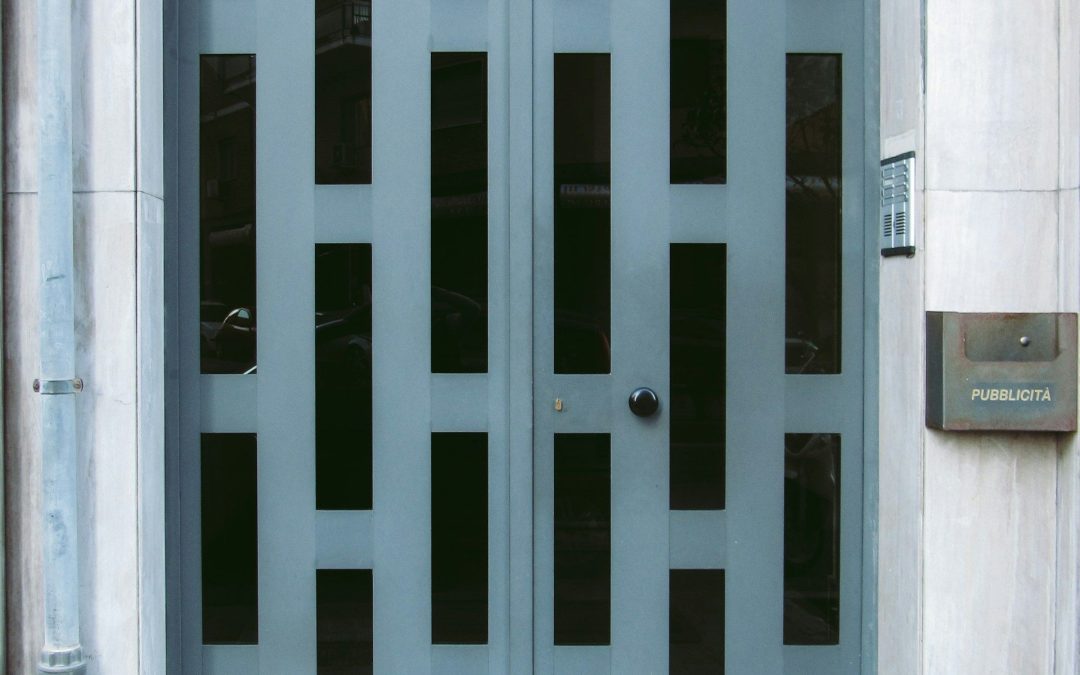
Once you decide a multi-function entry door is the right move for a project, the next practical decision is material. For architects, the question is rarely “aluminium or timber” in isolation. It is how the door behaves in the façade, how it will be installed, and how it fits the way the home will be used over time.
This article looks at how to choose between aluminium and timber Air Flow Doors on real residential projects so you can specify with confidence.
If you are still deciding whether a secure, ventilated front door belongs in the project at all, start with our overview on when a multi-function front door is worth considering in Australian homes. If you want to focus on façade composition and street presence, the design piece on ventilated front entries that do not rely on bolt-on screens is a useful companion. Here, the lens is a material choice.
The core differences in how aluminium and timber doors are supplied
Air Flow Doors are currently available in two main material options, with different supply and installation patterns
- Aluminium Air Flow Doors
- Made to measure for each opening
- Supplied and installed in the Adelaide region from the Camden Park workshop
- Timber Air Flow Doors
- Supplied in two standard sizes
- Can be trimmed on site and installed by the client’s carpenter
- Available for projects across Australia as a door-only supply
Both options incorporate the same fundamental idea: a single entrance door leaf with an inbuilt sliding window and security mesh, so your clients can lock the door, open the glass and move air through the entry.
From a design point of view, the aluminium option behaves more like a custom unit you coordinate locally, while the timber option behaves more like a high quality door leaf you integrate into the project’s existing entrance hardware and installation workflow.
When an aluminium Air Flow Door is usually the better fit
For projects in Adelaide where you want a made-to-measure unit and a single point of responsibility for installation, aluminium often makes sense.
Situations where aluminium tends to work well
- You have a non-standard opening size or proportion and want the door made to suit
- You want the same supplier to measure on site and install, reducing coordination risk
- The project timeline allows for a site visit from Camden Park for measuring and later installation
From an architectural perspective, aluminium gives you
- A consistent, factory-applied finish that can be chosen to sit with your external palette
- A clear line from specification to a complete, fitted door unit at the entry
- The ability to treat the door as a single package when you are talking to your client about cost and performance
If you are designing in Adelaide and the entry is a key visual element in your façade, pairing aluminium with the façade strategies discussed in ventilated front entries that do not rely on bolt-on screens gives you a simple story: one door, one supplier, one visible element in the elevation.
When a timber Air Flow Door is usually the better fit
The timber option is designed to be more flexible in geography and installation. It is supplied in two standard sizes and trimmed and hung by the project carpenter.
Typical situations where timber makes sense
- You are working outside Adelaide and want to use local trades for hanging and hardware
- The project already has a preferred carpenter or builder responsible for external doors
- You want more control over the surface finish, colour or stain as part of your joinery language
From a design and documentation point of view, timber offers
- The ability to integrate the Air Flow Door into a broader timber palette at the entry
- Flexibility in final finish (painted or stained) so the door can match other elements on the façade
- A straightforward path to installation on interstate projects, because carpenters are already familiar with trimming and hanging solid doors
Where ageing in place or a softer, more residential feel is important, a timber Air Flow Door can sit comfortably alongside the universal design ideas in helping older Australians feel steady and confident at their front door. The door can feel warm and familiar while still providing the secure ventilation and visibility of a multi-function design.
Matching material choice to project type
The best way to think about aluminium versus timber is to match each material to the project’s constraints and character.
A few common patterns
- New builds in Adelaide with bespoke façades
- Aluminium is often a strong choice, because the door can be made to measure and installed by the same team that builds it
- You can treat it as a key component in the front elevation and coordinate colours closely with other external metalwork
- Interstate renovations and additions
- Timber tends to be more practical, because your client’s carpenter can trim and hang the door within the existing opening
- It can also be finished to sit with older brickwork, verandahs or other established materials
- Narrow-lot or infill homes where street presence matters
- Either material can work, but aluminium’s made-to-measure nature helps when the opening itself is tightly constrained
- The key is how the material supports the entry sequence described in ventilated front entries that do not rely on bolt-on screens
- Ageing-in-place and long-term family homes
- Timber can bring warmth and familiarity, which pairs well with the universal design strategies in helping older Australians feel steady and confident at their front door
- Aluminium can still work well if the overall aesthetic is more contemporary; the universal design considerations live in handle heights, thresholds and clearances rather than just material
Installation responsibilities and how they affect your documentation
Material choice also alters who is responsible for what on site, which in turn affects how you document the door.
With aluminium in Adelaide
- Air Flow measures the opening and takes responsibility for making the door suit that opening
- Installation is handled by the same workshop, simplifying communication if something needs adjusting
- Your drawings can focus on showing the opening size, wall construction and façade relationships clearly
With timber supplied more broadly
- The carpenter is responsible for trimming, hanging and fitting hardware
- You may want to be more explicit in your details about thresholds, clearances and hardware positions
- Coordination with the builder around tolerances and weathering becomes more important
In both cases, when you move into detail, the principles in detailing multi-function entry doors in wall systems remain the same. Jambs, thresholds and weathering need to be resolved whether the leaf is aluminium or timber.
Using material choice to support the story you tell your client
Clients often respond more to material stories than to technical explanations. Aluminium and timber give you different ways to talk about the same underlying function.
Aluminium can be framed as
- A clean, contemporary look that ties into other metal elements on the exterior
- A robust, low-fuss solution where one supplier handles manufacture and installation
Timber can be framed as
- A warm, tactile entry that feels more like traditional joinery
- A door that can be painted or stained to suit their taste and adjusted by their own carpenter
Both lead you back to the same fundamental benefit: one front door that can be locked, ventilated and used comfortably every day, instead of a door-plus-screen compromise.
When you combine this material choice with the bigger ideas in designing front doors your clients enjoy living with, not screens they tolerate, you have a complete story: why the front door matters, how ventilation and security are resolved, and why you have chosen aluminium or timber for this particular home.
A practical way to decide on your next project
On your next project where you are considering an Air Flow Door, you can move quickly through a simple decision path
- Is the project in Adelaide and is a made-to-measure, supply-and-install unit attractive
- If yes, start by sketching the entry with an aluminium door and coordinate it with your façade as described in ventilated front entries that do not rely on bolt-on screens
- Is the project interstate or already heavily tied to a local carpenter or builder
- If yes, explore the timber option, thinking about finishes, ageing in place and detailing using helping older Australians feel steady and confident at their front door and detailing multi-function entry doors in wall systems
If either path gives you a front door that looks calm in elevation and feels easy to use in daily life, you are on the right track. The material choice has done its job: supporting the architecture rather than fighting it, and giving your client a front entry they will actually enjoy living with.