
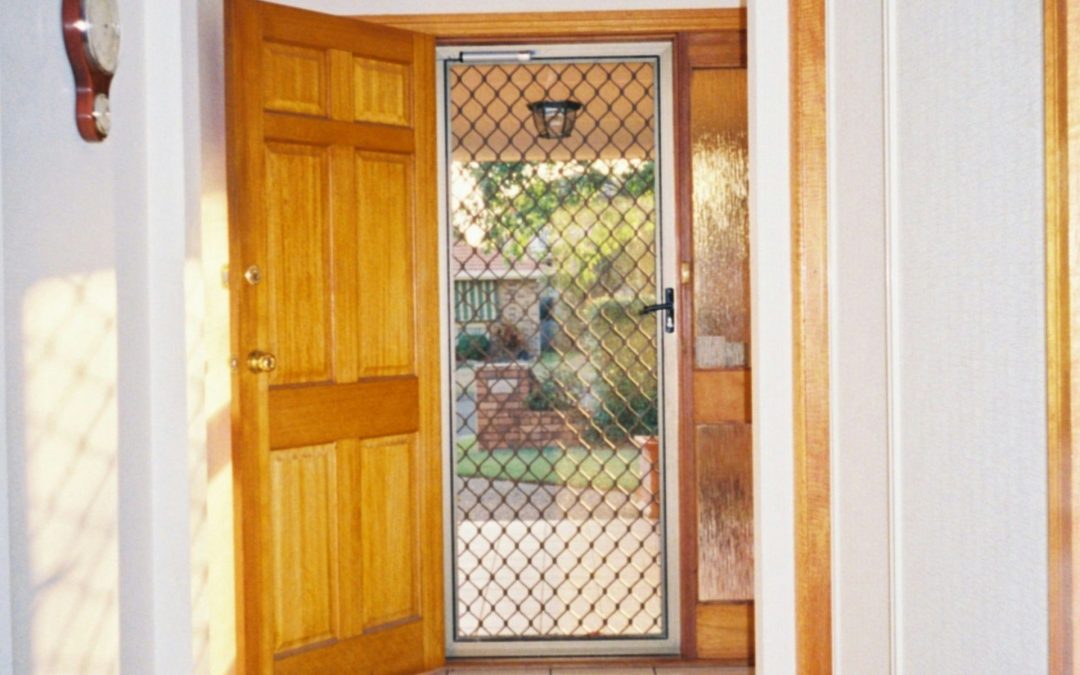
Narrow-lot homes and townhouses ask a lot of their front doors. You are often working with a tight frontage, little setback, shared walls and a plan that runs deep. The entry has to handle security, privacy, light and airflow, without making the façade feel cluttered or the hallway feel like a tunnel.
This article focuses on how to design front entries for narrow lots and townhouses so they feel generous and calm, even when the numbers on the plan are tight. If you want the bigger picture first, our architect overview on designing front doors your clients love living with, not screens they tolerate sets out why a multi-function entry door is worth considering. Here, we zoom in on small façades and compact entries.
Why narrow-lot and townhouse entries so often disappoint
On paper, the front elevation of a narrow lot or terrace can look balanced. On site, a few common issues show up again and again
- Street-facing entries shaded by neighbouring buildings, leaving the hallway dark
- Security screens added late that visually dominate a small façade
- Tight porches or steps that make it awkward to stand, knock, unlock and move through with bags
- Little scope to open windows at the front for ventilation without exposing living spaces to the street
The result is an entry that homeowners tolerate rather than enjoy. It might tick basic boxes for compliance, but it does not do much to improve day-to-day life in a compact home.
The starting point is to recognise that, on narrow lots and townhouses, the front door is doing more than usual. It is one of the few opportunities you have to bring light and air into the middle of the plan. Our pillar page on designing front doors your clients love living with, not screens they tolerate talks about this across all house types. This article applies that thinking to small frontages.
Use one multi-function door instead of door plus screen
On a narrow façade, every extra line, section and piece of hardware is more noticeable. A standard door plus a separate security screen quickly eats up visual simplicity and physical space.
A multi-function entry door gives you
- One visible leaf in elevation, with no extra screen projecting into a small porch
- Built-in security mesh behind a sliding glazed section, so the door can breathe while locked
- One swing path to manage, not two overlapping leaves in a tight landing
This matters more when:
- The entry is close to a side boundary or party wall
- The porch or landing is shallow
- The front door is directly off a narrow hallway, stair or living area
By resolving security and ventilation in a single door, you free up both physical and visual space. The façade feels calmer and the entry sequence feels less like a manoeuvre and more like a straightforward threshold, as discussed in our design guide to ventilated front entries that do not rely on bolt-on screens.
Getting light into deep, narrow plans
In many narrow lots and townhouses, the entry door is one of the only chances to bring daylight into the spine of the house. When that door is solid or hidden behind a heavy screen, the plan relies on artificial lighting much more than it needs to.
A multi-function entry door lets you
- Use a glazed section in the leaf to bring light into the hall while maintaining security
- Tune privacy with clear, tinted or translucent glass depending on street conditions
- Keep the opening simple, rather than pairing a glazed door with a visual barrier in front of it
Design strategies that often work well
- Align the glazed portion of the leaf with internal features, such as a change in wall direction or the top of a stair, so borrowed light reaches further
- Use highlight glass in the door leaf to bring in ambient light while preserving privacy at eye level
- Coordinate the door glass with any nearby sidelights or high-level windows so the façade reads as one composition
Using the principles in our ventilated front entry design guide, you can treat the front door as part of a small, deliberate light scoop into the plan, not just a solid object in the street elevation.
Balancing privacy and ventilation right on the street
In narrow streets, attached housing and high-density infill, owners are often close to footpaths, cars and neighbours. They want air and light but are wary of feeling exposed.
A multi-function entry door helps you separate privacy from ventilation
- The mesh-protected opening allows air movement while keeping the door locked
- The glazed panel can be selected to soften views in or out
- The person inside can stand back slightly from the door and still see who is there
You can tune the design by
- Choosing translucent glass if the front door is very close to the street or a shared path
- Using clear glass in calmer contexts where passive surveillance and connection are positives
- Positioning the glazed and mesh areas so the most common standing position for visitors lines up naturally with the secure opening
Handled this way, you can give clients a front entry that they are comfortable leaving in “locked but ventilating” mode more often, instead of leaving everything shut for fear of being on display. This is particularly valuable in smaller homes where cross-ventilation options are limited.
Entries that still work as residents age in place
A surprising number of narrow-lot and townhouse owners plan to stay put for a long time. They may be downsizers, couples settling in for the long haul or younger owners who expect to keep the property as a long-term base or investment.
In compact entries, small universal design decisions go a long way
- A single multi-function door is easier to manage than a heavy door plus separate screen, especially for people with reduced strength or balance
- A simple routine of “lock the door, slide the glass” for night-time ventilation is easier to remember than juggling chains, latches and extra catches
- A generous level landing, even if compact, makes it easier to pause with a pram, shopping or a walker
Our article on helping older Australians feel steady and confident at their front door looks at these issues in more detail. When you apply its ideas to narrow-lot and townhouse entries, you often find you can avoid awkward compromises like external ramps or ad hoc rails later on, just by getting the front threshold, handle heights and landing right when space is tight.
Choosing aluminium or timber in small façades
Material choice becomes very obvious on narrow frontages. The door usually occupies a large share of the street-level façade.
Aluminium Air Flow Doors can be a strong fit when
- You want a clean, contemporary reading in a compact elevation
- You are working in Adelaide and value a made-to-measure door and installation from one workshop
- The project palette already includes painted or powdercoated external metalwork
Timber Air Flow Doors can be a strong fit when
- You are working interstate or regionally and want local carpenters to trim and hang the door
- You want a warmer, more domestic feel on terrace or infill projects
- You plan to match the door finish to verandah details, existing joinery or heritage elements
Our material-focused article on choosing aluminium or timber Air Flow Doors for your project unpacks this further. On narrow façades, it is often worth sketching both options and checking which one supports your composition and surrounding materials better.
Working with shared walls, porches and strata conditions
Townhouses and terraces often come with shared elements: party walls, common porches or strata rules about visible changes.
When you introduce a multi-function entry door into this setting
- Check whether you can adjust porch lighting, house numbers and mail slots at the same time as the door
- Consider how the new door will sit alongside neighbours who may have older or different entries
- Use colour and proportion to help the door stand out just enough for legibility without feeling out of place
In some cases, the best result is a door that quietly lifts the whole shared frontage by being well proportioned and neatly finished, rather than one that demands attention. The detailing principles in our guide to multi-function doors in wall systems can help you keep junctions and trims clean even when you cannot change much else.
Retrofitting narrow-lot and townhouse entries
Many of the narrow-lot and townhouse projects you see will be retrofits rather than new builds. Here, the question is often “how much can we improve without major structural work”.
A practical approach is
- Diagnose what the entry is currently doing badly: light, air, safety, effort and appearance
- Decide what must be kept because of structure, heritage or budget, and what can change
- Use a multi-function door and a small set of façade tweaks (paint, lighting, numbers) to refresh the whole entry zone
Our dedicated article on retrofitting Air Flow Doors into existing homes gives you a checklist for this process. Applied to narrow-lot and townhouse settings, it often turns a simple door replacement into a small but meaningful upgrade of the everyday experience of leaving and returning home.
A simple process for your next narrow-lot or townhouse project
For any compact frontage you are working on, you can use a short process to decide whether and how to use a multi-function entry door
- Start with intent: define what the front door must do for light, air, privacy and everyday use in this particular home
- Sketch one scheme that relies on a standard door plus screen, and one that uses a single multi-function door
- Test both schemes against the ideas in this article and the broader resources for architects
If the multi-function scheme gives you a calmer façade, a brighter and better ventilated hallway, simpler operation and a more confident threshold in the same footprint, it is likely the stronger choice.
From there, you can use designing front doors your clients love living with, not screens they tolerate to frame the conversation with your client, ventilated front entries that do not rely on bolt-on screens to refine the façade, helping older Australians feel steady and confident at their front door if ageing in place is in view, choosing aluminium or timber Air Flow Doors for your project to lock in material, retrofitting Air Flow Doors into existing homes for renovation work, and detailing multi-function entry doors in wall systems when you are ready to draw the sections.
Handled this way, even very tight frontages can have front doors that feel generous, safe and easy to live with, instead of cramped, compromised or cluttered.