
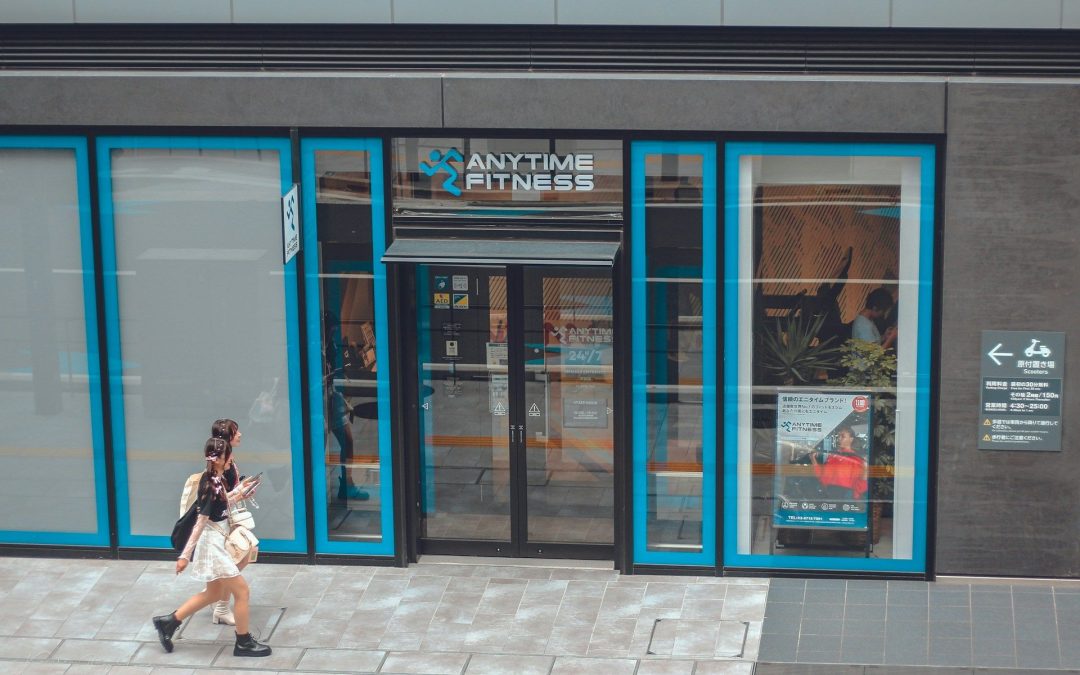
Entry doors in commercial and strata buildings experience heavy use. Maintenance issues often appear sooner and more frequently than in single homes.
This article looks at how door choice affects long-term maintenance and how simpler systems can reduce ongoing effort. It connects closely with reducing recurring door complaints in strata buildings.
Why shared doors wear faster
Shared entry doors face
- Higher traffic
- More forceful use
- Less consistent care
When systems are complex, wear accelerates.
Simplicity as a maintenance strategy
Doors with fewer components generally
- Stay aligned longer
- Require fewer adjustments
- Are easier to service
Replacing multiple layers with a single integrated system can reduce long-term maintenance.
Preventing misuse
When doors are awkward to use, occupants force them or bypass controls. Doors that feel intuitive are treated better.
This link between usability and durability is often underestimated.
Planning maintenance realistically
Maintenance planning should include
- Regular inspection
- Clear responsibility for servicing
- Realistic expectations for lifespan
Choosing the right system upfront reduces surprises later.
When replacement makes sense
Repeated repairs often cost more than replacement over time. If maintenance is becoming cyclical, it may be time to review the door strategy.
Communicating with stakeholders
Clear explanations about why a door is being upgraded help build support and reduce resistance.