
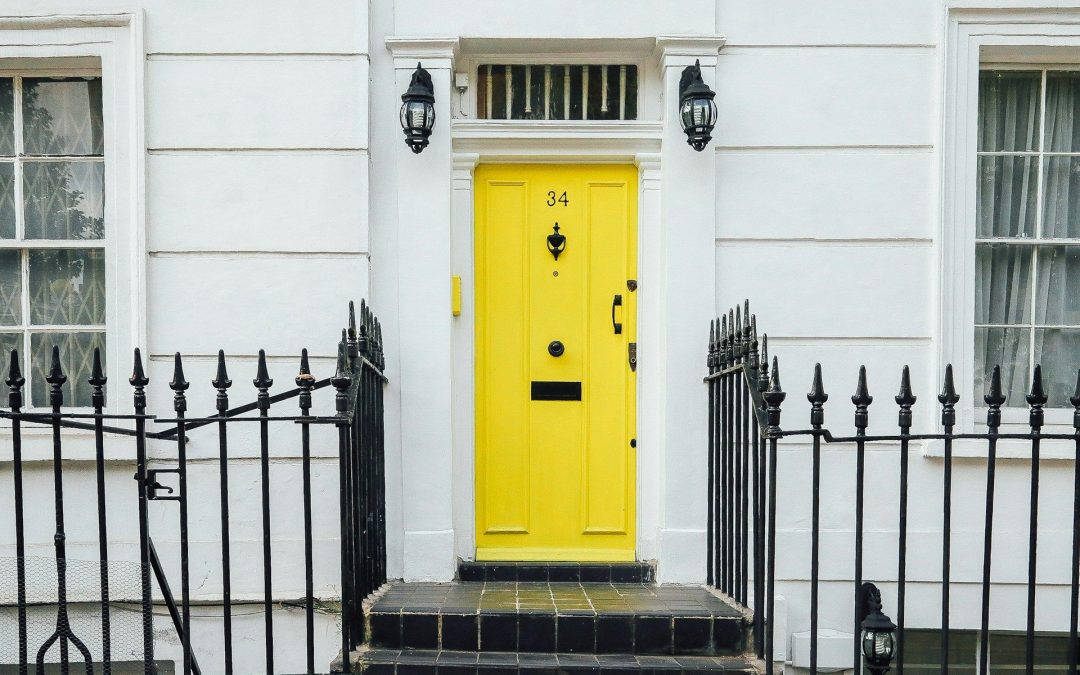
Front doors are touched, opened, slammed, leaned on and weathered every day. Yet in many projects, durability and maintenance are treated as secondary concerns, left to product brochures or handover notes. Over time, that gap shows up as peeling finishes, rattling hardware and entries that no longer feel calm or reliable.
This article looks at how to design front doors for longevity and low maintenance, with a focus on multi-function entry doors in Australian conditions. It complements the broader design intent in designing front doors your clients love living with, not screens they tolerate and connects material and detailing choices to how the door will actually perform five, ten and twenty years after handover.
Why front doors age faster than expected
Front doors live in a harsh zone. They sit between inside and outside, exposed to sun, wind, rain, dust and human behaviour. Common reasons they age poorly include
- Finishes specified for appearance rather than exposure
- Hardware chosen without considering frequency of use
- Thresholds and junctions that trap water or grit
- Multiple leaves and moving parts increasing wear points
In many homes, the front door becomes the most visibly tired element of the façade long before walls, roofs or windows show similar wear. Clients notice this, even if they cannot articulate why the entry no longer feels right.
A multi-function entry door does not automatically solve durability issues, but it gives you a simpler system to detail and maintain. One well-designed door is easier to keep working than a door plus a separate security screen, each ageing in different ways.
Start by designing for real exposure, not assumed conditions
Longevity begins with an honest assessment of exposure at the entry
- How much direct sun hits the door through the year
- Whether rain is wind-driven or largely vertical
- How much dust, grit or salt is likely to reach the threshold
- Whether the door is frequently left open, partially open or closed
Designing for assumed “average” conditions often leads to under-specification. For example, a door under a shallow porch on a coastal site may still see significant salt and wind, while a suburban entry on a quiet street may be relatively benign.
The exposure-based thinking in front doors for coastal and exposed sites is useful here, even if the project is not strictly coastal. The discipline of matching materials and details to real conditions pays dividends everywhere.
Material choice and maintenance expectations
Material choice at the front door sets the tone for maintenance over the life of the building. With multi-function entry doors, aluminium and timber options each bring different responsibilities.
Aluminium
- Generally lower maintenance once installed
- Resistant to rot and swelling in variable conditions
- Finish longevity depends on correct coating specification and exposure
- Suits projects where clients want a “set and forget” approach
Timber
- Brings warmth and familiarity to the entry
- Requires correct sealing of all faces, including top and bottom edges
- Needs periodic inspection and re-coating to maintain performance
- Suits clients who accept some ongoing care in exchange for material character
The choice between these options is unpacked in more detail in choosing aluminium or timber Air Flow Doors for your project. From a longevity perspective, the key is alignment between material, exposure and the client’s willingness to maintain the door properly.
Designing details that reduce wear and tear
Small detailing decisions have a disproportionate impact on how a front door ages. The goal is to reduce friction, water retention and unnecessary movement.
Key design moves include
- Generous head protection
Porches, overhangs or deep reveals reduce UV and wetting, extending finish life
- Clear water paths
Thresholds and sills that shed water away from the door leaf prevent swelling, staining and corrosion
- Robust junctions
- Avoid fine, delicate trims at the base of the door where grit and moisture collect
The construction principles in detailing multi-function entry doors in wall systems support longevity as much as they support weatherproofing. A well-drained, well-sealed detail is also a quiet, durable one.
Reducing complexity to improve reliability
Every extra moving part at the front door is a potential point of failure. From a maintenance point of view, simplicity is a virtue.
Compared with a door plus separate security screen, a multi-function entry door
- Reduces the number of hinges, latches and frames
- Concentrates wear into one well-specified system
- Makes it easier to diagnose and fix issues when they arise
This simplicity matters most in homes where the front door is used frequently for ventilation. A door that is easy to open, lock and adjust is more likely to be kept in good working order than one that feels fiddly or awkward.
From a design perspective, this aligns with the broader idea in designing front doors your clients love living with, not screens they tolerate: doors that feel good to use tend to be looked after.
Hardware selection and long-term performance
Handles, locks and sliding components are the parts of the door people interact with most. They are also the parts most likely to wear.
Design with longevity in mind by
- Choosing hardware rated for external residential use in Australian conditions
- Avoiding overly delicate finishes where hands, keys and rings will cause abrasion
- Ensuring handle heights and clearances reduce awkward force or twisting
When digital locks are specified, coordinate them carefully with the door leaf so they do not introduce stress points or awkward user behaviour. Our article on coordinating digital locks with multi-function front doors looks at this integration from both a usability and durability perspective.
A well-integrated lock that feels natural to use is less likely to be forced, misused or bypassed in ways that shorten its life.
Designing thresholds that age gracefully
Thresholds are where most front doors fail first. They collect water, dirt and impact, and they are difficult to inspect once built.
To support longevity
- Keep thresholds simple and accessible, avoiding unnecessary recesses that trap debris
- Use durable materials at the landing that can be cleaned easily
- Ensure falls and drainage are clear so water does not sit against the door
These moves also support accessibility and safety, as discussed in helping older Australians feel steady and confident at their front door. A threshold that is easy to step over and easy to clean is usually one that lasts longer.
Setting realistic maintenance narratives with clients
Clients often assume a new front door will look the same forever. When that expectation is not managed, normal ageing can feel like failure.
As an architect, you can help by
- Explaining how different materials weather and what “good ageing” looks like
- Providing simple maintenance guidance as part of the design narrative, not just as fine print
- Framing maintenance as care rather than as a defect
For example
- Aluminium doors benefit from occasional washing to remove dust and salt
- Timber doors need periodic inspection and re-coating, especially on exposed faces
When clients understand this upfront, they are more likely to care for the door in ways that preserve both performance and appearance.
Longevity in retrofits and existing homes
In retrofit projects, longevity often matters even more. Clients may already be frustrated by doors that have failed early or aged badly.
Replacing a door and security screen with a single multi-function entry door can
- Reduce the number of ageing elements at the entry
- Simplify ongoing maintenance responsibilities
- Reset the “maintenance clock” with a more robust system
The retrofit strategies in retrofitting Air Flow Doors into existing homes pair well with a longevity mindset. Instead of swapping one tired arrangement for another, you can offer a more durable solution that addresses the root causes of wear.
A longevity check for front door design
Before finalising a front door specification, you can run a simple durability check
- Is the material choice appropriate for the real exposure at this entry
- Do the details shed water, dirt and wear rather than trapping them
- Is the system simple enough that it can be adjusted and maintained over time
- Have maintenance expectations been made clear to the client
If the answer to all four is yes, you are likely designing a front door that will age quietly and gracefully. Combined with the comfort, airflow and usability benefits explored across the architect article series, this approach helps ensure the front door remains an asset to the home long after the novelty of a new build has worn off.