
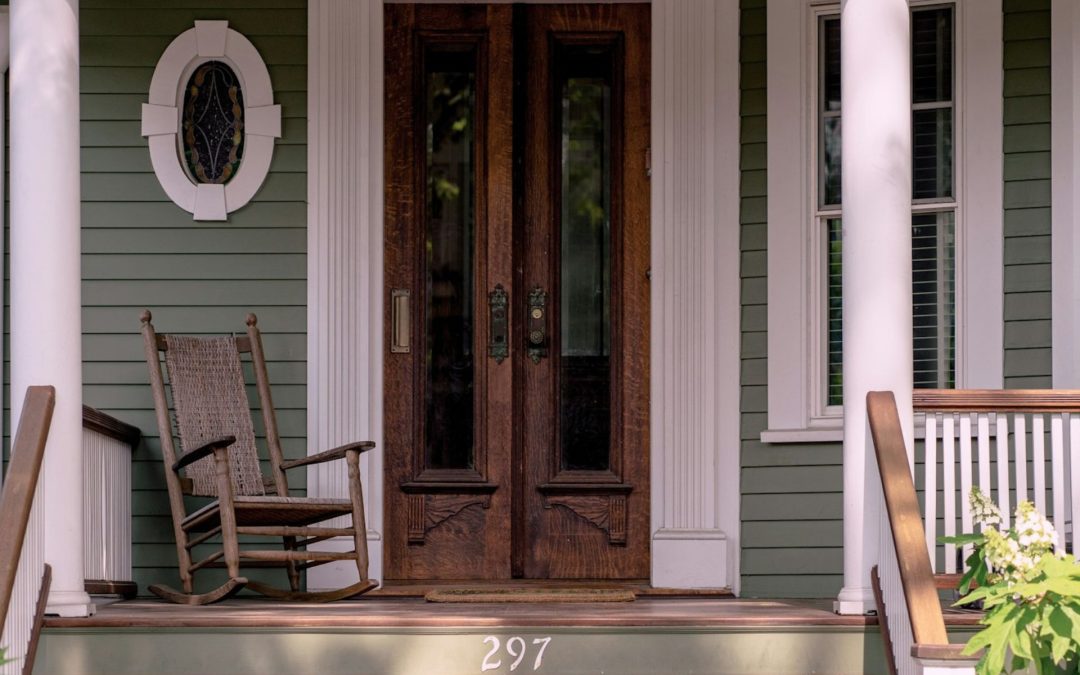
Ageing in place is not about dramatic changes. It is about reducing small frictions that add up over time. The front door is one of those friction points.
This article looks at how a well-designed front door can quietly support safety, confidence and independence as people grow older, without making the home feel clinical.
Why the front door becomes harder over time
As people age, front doors can present challenges
- Heavy doors that are hard to manage
- Awkward locks or multiple handles
- Hesitation about opening the door to strangers
- Reduced confidence at the threshold
These issues often appear gradually, which makes them easy to overlook.
Reducing effort without reducing control
A multi-function front door reduces effort by
- Removing the need to manage two doors
- Allowing ventilation without unlocking
- Making everyday use simpler and more intuitive
This helps maintain independence without changing how the house looks.
Confidence at the door
Feeling confident matters as much as physical ability. Being able to
- See who is at the door
- Speak without opening fully
- Control airflow without exposure
can reduce anxiety and hesitation.
This confidence is often described in living with a secure ventilated front door.
Safety at the threshold
A simpler door system
- Reduces trips and awkward movements
- Makes entries more predictable
- Supports steadier movement in and out of the house
While a front door alone does not solve accessibility, it can remove unnecessary barriers.
Planning ahead without overhauling the home
Many homeowners want to future-proof without renovating extensively. Changing the front door is one of the few upgrades that can
- Improve safety
- Improve comfort
- Improve daily confidence
all at once.
Who this matters most for
This approach suits homeowners who
- Plan to stay in their home long term
- Want subtle support rather than visible adaptations
Value independence and peace of mind