
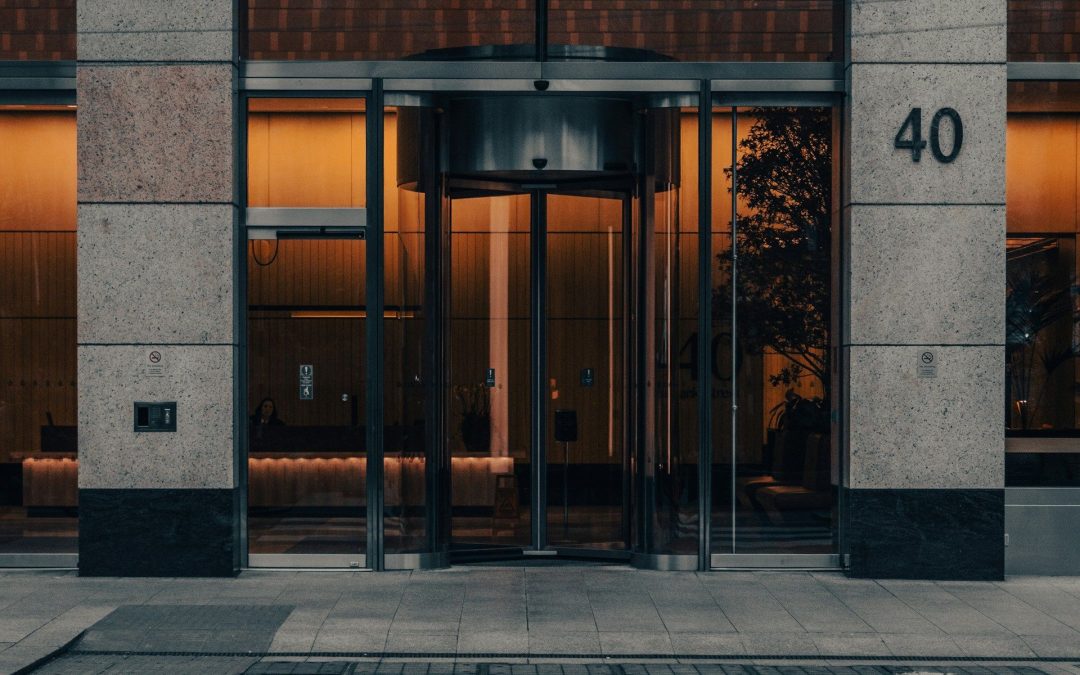
Shared entry areas are some of the most difficult spaces to manage in strata and commercial buildings. They are used by many people, exposed to the elements, and often sit at the boundary between public and private space.
This article looks at how secure ventilation can be introduced into shared entries without compromising safety or control. It builds on the overview in secure ventilation for strata and commercial entry doors.
Why shared entries overheat
Common entry areas often overheat because
- Doors are kept closed for security
- Airflow is limited to small windows or none at all
- Mechanical ventilation is minimal or absent
In warm conditions, occupants respond by opening doors manually or propping them open, creating new risks.
The risks of unmanaged ventilation
Propped doors create
- Uncontrolled access
- Safety and liability issues
- Wear and damage to door hardware
- Conflicts between occupants and management
These behaviours are not malicious. They are a response to discomfort.
How secure ventilation changes behaviour
A secure ventilated door allows airflow without unlocking the entry. This reduces the perceived need to override security measures.
In practice, this means
- Doors stay closed and locked
- Air still moves through the space
- Occupants feel more comfortable
This behavioural shift is often more valuable than the physical change itself.
Integration with existing access systems
Multi-function entry doors can be used alongside
- Intercom systems
- Swipe or fob access
- Timed locking systems
They do not replace access control, but they reduce pressure on it by improving comfort.
Where this approach works best
Secure ventilation works well in
- Residential lobbies
- Shared corridors
- Ground-floor apartment entries
- Small commercial foyers
It is less suitable for high-security or high-traffic retail entrances where doors remain open for long periods.
Evaluating suitability
Before considering this approach, it helps to assess
- How often the door is used
- Whether ventilation complaints are common
- Whether doors are currently being propped open
If the answer is yes to the latter two, secure ventilation is worth exploring.