
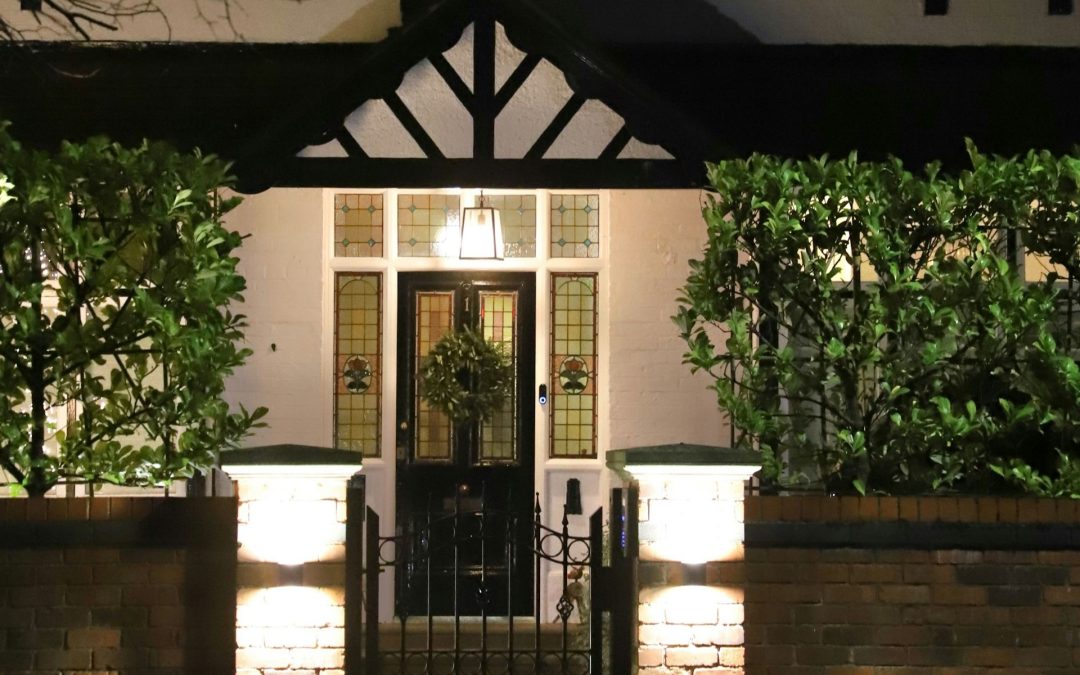
Heritage and character projects demand restraint. Front doors, in particular, sit under close scrutiny from councils, neighbours and clients who care deeply about the story a house tells. At the same time, many of these homes struggle with dark entries, poor ventilation and awkward security additions that were never part of the original architecture.
This article looks at how to approach front doors in heritage and character-sensitive projects so you can improve comfort and usability without undermining the architectural intent. It shows where a multi-function entry door can be appropriate, and where it should be used carefully or not at all.
Why heritage front doors are often left untouched
In many character homes, the front door becomes a “do not touch” element. Architects and owners alike are wary of
- Losing original fabric or proportions
- Triggering planning or heritage approvals
- Introducing modern elements that feel visually jarring
- Opening up questions about security and glazing that complicate approvals
As a result, original doors are often retained even when they perform poorly. Over time, the pressure to improve comfort leads to incremental additions: bolt-on security screens, internal secondary doors, heavy curtains or blinds. These fixes often do more harm to the façade and entry experience than a single, well-considered intervention would have.
The opportunity is to step back and ask whether the existing front door arrangement truly serves the house and its occupants, or whether a more integrated solution would actually respect the architecture better.
Understanding what heritage controls usually care about
Most heritage and character controls focus on a few consistent concerns
- Retention of original proportions and openings
- Visual consistency in the street elevation
- Reversibility of changes
- Avoidance of dominant modern elements at the façade
They are usually less concerned with
- Internal operation of the door
- How security and ventilation are resolved behind the primary leaf
- Improvements that reduce visual clutter rather than add to it
This distinction matters. A multi-function entry door, when designed carefully, can sometimes reduce visual noise by replacing a door-plus-screen arrangement with a single, calmer element that sits comfortably in the original opening.
When a multi-function entry door can suit a heritage context
A multi-function entry door is not about making a heritage home look modern. It is about improving how the entry works while keeping the visual story intact. It can be appropriate when
- The original door has already been replaced or significantly altered
- The existing security screen is visually intrusive
- The entry is dark and disconnected from the rest of the house
- Owners want better airflow but are reluctant to open the door because of security concerns
In these cases, a carefully proportioned door that reads as a single element in the façade can be less visually disruptive than multiple layers of add-ons. The broader intent behind this approach is outlined in designing front doors your clients love living with, not screens they tolerate, which focuses on reducing clutter rather than adding features.
Respecting original proportions and detailing
Heritage façades are often defined by door proportions rather than by surface decoration. When intervening, priority should be given to
- Retaining the size and position of the original opening
- Respecting vertical and horizontal proportions
- Aligning door elements with existing reveals, architraves or mouldings
A multi-function door does not require changes to opening size or position. The sliding glazed component sits within the leaf, not outside it, which helps maintain the original reading of the entry.
Where detailing is required, the principles in detailing multi-function entry doors in wall systems can be applied discreetly, keeping flashings, seals and trims concealed or aligned with existing architectural lines.
Using material and finish to sit quietly in context
Material choice plays a significant role in heritage settings. The aim is not to mimic historic detailing exactly, but to choose finishes that do not fight it.
Common approaches include
- Using timber doors in character homes where painted or stained timber is already part of the façade language
- Selecting colours that sit within traditional palettes rather than high-contrast contemporary tones
- Avoiding reflective finishes or oversized hardware that draw attention to themselves
Even when aluminium doors are used, careful colour selection and restrained detailing can help them recede visually. The goal is a door that belongs to the house rather than announcing itself as a new intervention.
Improving light without creating exposure
One of the biggest benefits of upgrading heritage front doors is improved daylight in the entry and hall. Older homes often rely on solid doors and deep verandahs, resulting in very dark internal circulation spaces.
A multi-function door allows you to
- Introduce controlled glazing into the door leaf
- Bring light into the entry while keeping the door locked
- Avoid the need for sidelights or new openings that may be unacceptable in heritage controls
Privacy concerns can usually be addressed through glass selection and positioning rather than by eliminating glazing altogether. The design strategies discussed in using the front door to control light without sacrificing privacy are particularly relevant in character homes where maintaining a sense of enclosure at the street is important.
Managing ventilation without visible modern additions
Many heritage homes were designed for cross-ventilation, but later changes have undermined this. Heavy doors and security screens often block airflow at the front.
A multi-function entry door allows
- Secure ventilation without opening the entire door
- Airflow through the front of the house without adding visible screens or grilles
- Occupants to re-engage with passive cooling strategies that suit the original building form
Because the ventilation function is integrated into the door itself, it can often be achieved without altering the external appearance in ways that would concern heritage assessors.
Talking to planners, heritage advisors and clients
When heritage approval is required, language matters. Rather than framing the change as a “new door system”, it is often more effective to describe
- Removal of visually intrusive security screens
- Simplification of the front entry composition
- Improved use of the existing opening without changing its size or position
With clients, the conversation can focus on
- Better light and airflow without compromising security
- Reduced visual clutter at the front of the house
- A front door that is easier and more pleasant to use every day
By anchoring these discussions in lived experience rather than technical novelty, you are more likely to gain support from both clients and authorities.
Retrofitting heritage homes carefully
Most heritage projects are, by definition, retrofits. That means every intervention should be reversible or at least respectful of existing fabric.
A multi-function entry door can be suitable when
- It is installed within the existing opening
- Original fabric that can be retained is retained
- Fixings and details do not permanently damage significant elements
The broader retrofit mindset described in retrofitting Air Flow Doors into existing homes applies here, even though heritage projects often add an extra layer of scrutiny. The key is to solve several problems with one considered change rather than layering fixes over time.
A simple test for heritage front door interventions
Before proposing a new front door in a heritage or character context, ask
- Does this intervention reduce or increase visual clutter at the façade
- Does it respect original proportions and openings
- Does it meaningfully improve light, airflow and everyday use for occupants
If the answer to all three is yes, the intervention is likely to be defensible from both a design and heritage perspective.
Handled with restraint, a multi-function entry door can help heritage homes work better for contemporary life without losing the qualities that make them special in the first place.