
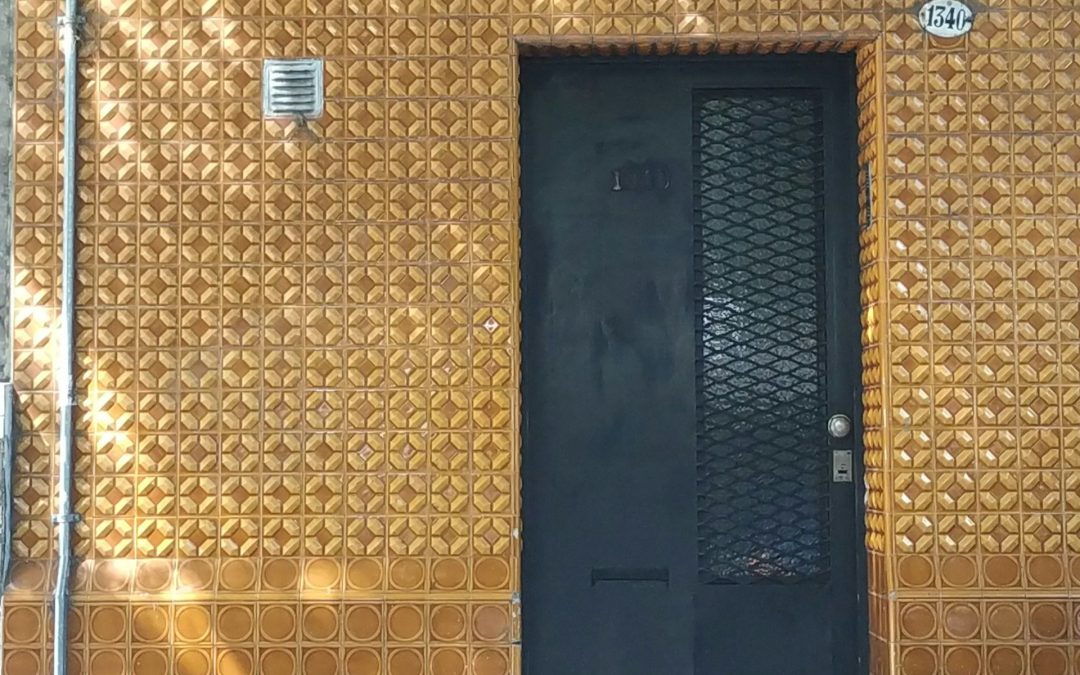
On the drawings, your front entry is usually calm and resolved. A simple leaf, clear proportions, considered glazing, a clean threshold. On site, it sometimes ends up as a solid door with an off-the-shelf security screen slapped over the top. Light is cut down, the elevation gets noisy and the care you put into the entry sequence is undermined.
This article is for the moments when you know you need security and ventilation at the front door, but you do not want to default to “door plus screen”. It looks at how to design ventilated front entries so they feel like part of the architecture rather than a series of product decisions, and how a multi-function entry door can support that intent.
If you want a broader overview of when a secure, ventilated entry door makes sense in the first place, our pillar page for architects on designing front doors your clients love living with sets the scene. This supporting article zooms in on the façade and entry design.
What goes wrong when you add a security screen late
The problems you see on built projects are often symptoms of when and how a screen is chosen rather than of any single product
- The screen is selected by the owner or builder after your exterior colours are locked in, so the frame and mesh colour fight the scheme
- The screen sections are chunkier than your door leaf and sidelight framing, so the opening looks visually heavy
- The added leaf brings more hardware, extra sightlines and visible hinges into an area you had drawn as clean
- The solid door behind the screen is rarely opened for light or air because operating two layers feels like work
From a design point of view, the front door stops being a single, legible element in the elevation and becomes a stack of parts. From a user point of view, it becomes something to manage instead of something that supports easy, everyday use.
Start by defining what the front entry really needs to do
If you want to avoid a last minute screen, it helps to be explicit early about the jobs the front entry has to perform
- Present a coherent, welcoming face to the street or shared circulation
- Provide a secure primary entry that feels solid when closed
- Allow the house to be ventilated safely, especially on hot nights or between seasons
- Let occupants see and talk to visitors without instantly exposing the interior
- Manage light, privacy and views in a way that suits the street context
Once you have these functions on the table, you can treat the front door as a small system rather than a flat object. A multi-function entry door is one way of resolving that system in a single leaf instead of layering a door and screen.
Our overview for architects on how secure, ventilated entry doors behave in Australian homes gives you a deeper performance framework if you want it. On this page, we stay closer to the sketchbook.
Use the door as part of your façade composition, not an afterthought
When the door and potential screen are treated as separate products, they often sit awkwardly in the façade. With a multi-function entry door you can bring the opening back into your compositional thinking.
Practical design moves that help
- Align the head height of the entry door with nearby windows or highlight elements, so the opening feels integrated rather than extra tall or short
- Use the visible glass panel in the door leaf to pick up a horizontal datum in the street elevation
- Consider how the mesh-protected opening will read by day and by night, from the street and from inside
Instead of trying to hide a security screen, you can treat the multi-function door as a deliberate part of the façade grammar.
When you are thinking through these relationships, it can help to have the more technical piece on detailing multi-function entry doors in wall systems in the back of your mind, so the composition you draw is also buildable.
Balance privacy and openness for different street contexts
Ventilated front entries in Australia have to work in a wide range of settings, from quiet suburban streets to busy main roads and walk-up apartments. The same door can feel exposed in one context and too closed in another.
You can tune the design using a few levers
- Glazing type
- Clear laminated glass if you want a sense of connection to the street and a brighter hallway
- Translucent glass if the house sits close to the footpath or you want a softer edge between public and private
- Mesh visibility
- Darker mesh tends to recede visually from outside and can make the glazed portion of the leaf read as one element
- Lighter mesh makes the ventilation function more apparent but can draw more attention to the opening
- Door position and framing
- Recessing the entry slightly under a porch or within a reveal can soften its presence on a busy street
- A more flush entry can feel open and engaging in calmer residential contexts
By making these choices early, you avoid the situation where a security concern late in the build leads to an oversized, visually dominant screen that contradicts your original intent.
Make the entry sequence feel calm and legible
A ventilated front entry has to work not just in elevation, but in the way people approach, pause, enter and close up after themselves. With a single multi-function door, you can keep that sequence simpler than a door-plus-screen arrangement.
Things to consider from the user’s point of view
- Is it obvious where to stand, where to knock or press a bell, and where to look when speaking through the door
- Can someone carrying bags or managing a pram or walker open the door without juggling two leaves
- Is it clear how to shift from “door closed” to “door locked but ventilating” without learning a complicated routine
A single leaf with a sliding glazed panel and clear hardware goes a long way toward making the entry legible. For projects where ageing in place or reduced mobility are part of the brief, our article on helping older Australians feel safe in their own home looks at the same questions through a universal design lens.
Treat ventilation at the front door as part of your airflow strategy
In many homes, the front door is one of the most powerful places to move air through the plan. It is often aligned with corridors, stairs or cross-ventilation paths, but it is rarely drawn as a ventilation device.
With a multi-function entry door, you can
- Use the secure, mesh-protected opening as a controllable inlet for evening or night-time cooling
- Coordinate the door position with highlight windows, stair voids or rear sliders to create simple cross-ventilation paths
- Give clients a specific pattern of use: for example, “on hot nights, lock the door, slide open the glass and open high-level windows at the rear”
This turns “ventilated front entry” from a vague idea into a practical behaviour you can describe in your documentation or handover notes.
Keep the door, hardware and colours within your palette
Finally, a ventilated front entry feels like part of your architecture when its materials and details sit comfortably within your existing palette.
Design guidelines that tend to work
- Choose door and frame colours from the same family you are using for windows and other external metalwork
- Coordinate the finish of handles, locks and any digital hardware with the rest of the home’s hardware or key accents
- If you are using a timber Air Flow Door, treat it as a deliberate natural element in the façade and specify coatings that will help it age well
Because there is no second screen to accommodate, you have fewer variables to control. You can keep the front door simple, intentional and in step with the rest of your work.
Bringing it back to a live project
On a real job, you do not need to redesign your entire approach to entries in one go. A practical way to use this article is
- Identify one current project where the front door risks ending up with a generic security screen
- Sketch an alternative elevation where the entry is resolved with a single multi-function door instead
- Test that sketch against the questions in this article: façade fit, privacy, entry sequence and airflow
If the result feels stronger, you can back it up with the broader rationale in designing front doors your clients love living with, use helping older Australians feel safe in their own home if ageing in place is a factor, and turn to detailing multi-function entry doors in wall systems when you are ready to document the junctions.
That way, the front entry becomes one of the places where your design intent is most visible and most felt in daily life, rather than one of the compromises your clients simply learn to tolerate.