
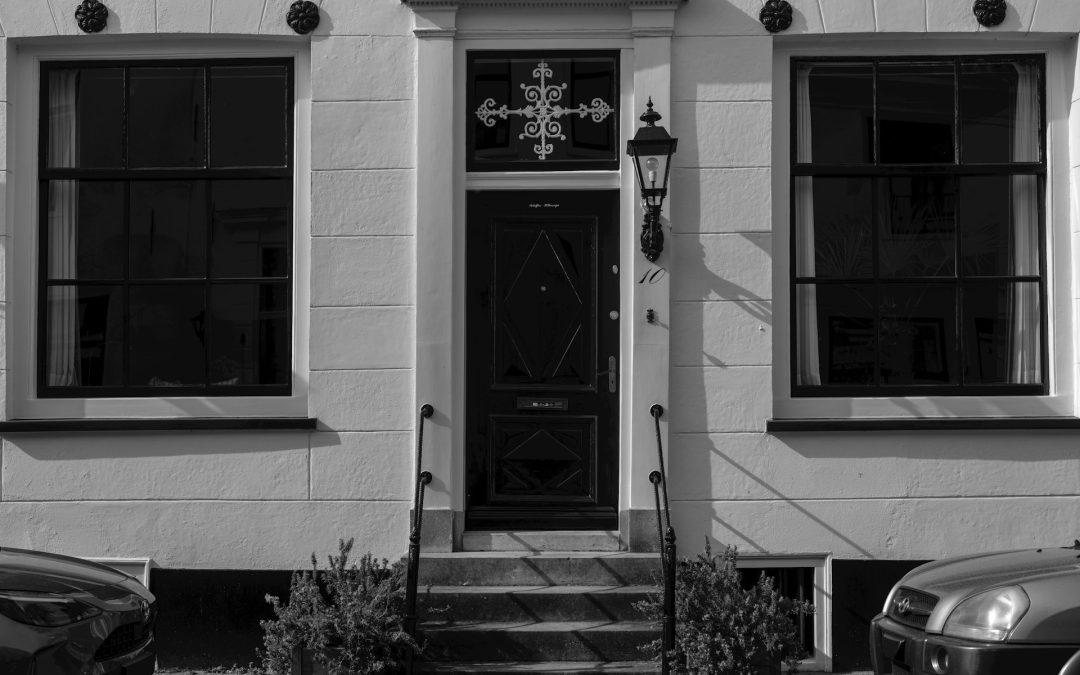
As an architect or building designer, you put real effort into a façade. You resolve the composition, balance solid and void, and choreograph the entry sequence. Then late in the build, a generic security door appears and the front entry suddenly looks like a compromise you never drew.
On paper, “entrance door plus security screen” sounds reasonable. On site, it often feels like the weakest point of the elevation and an ongoing annoyance for the people who live there.
This pillar page is here to help you decide when an Air Flow multi-function entry door should be your default for secure, ventilated front doors in Australian homes, and when it is worth having a conversation with us about a specific project.
Why standard front doors keep undermining your design intent
On residential projects, you probably recognise at least one of these patterns
- You resolve the street elevation, but a security door chosen outside your control fights the composition
- You compromise on glazing at the entry because the client is nervous about security, then live with a dark circulation space
- A simple door symbol on the plan gradually turns into a door plus screen plus extra hardware as the job progresses
- You know the front door could do more work for ventilation, but it is rarely treated as part of the airflow strategy
Individually, these are small issues. Together, they mean the place where people meet the home every day often feels like a design afterthought instead of a strength.
Your clients do not think in terms of “primary door” and “security screen”. They simply experience an entry that is either pleasant and easy to use, or awkward and visually noisy.
What your clients actually want from their entry
When clients describe their front door needs, they rarely say “please specify a security screen”. They talk about everyday situations
- Sleeping on hot nights with a breeze moving through, without feeling exposed
- Seeing and talking to visitors at the front step without opening the door fully
- Bringing more daylight into a dark hallway without feeling like they are on display
- Having a front door that looks like part of the architecture, not something bolted on at the last minute
Underneath the stories, the brief is straightforward
- One front door that can safely bring in air and light, maintain security, support conversations at the threshold, and sit comfortably in the façade you designed
That is the job description Air Flow multi-function doors are designed to fill.
If you want to explore the façade side of that problem in more depth, you can look at ways to design ventilated front entries without relying on bolt-on security doors. That article focuses on street presence, proportion and composition.
How an Air Flow multi-function entry door works
An Air Flow Door reads as a single entrance door in your elevation. Built into the leaf is a horizontal sliding window section, protected by security mesh.
In everyday use, your client has three clear modes
- With the glass shut, the door behaves like a solid, glazed entrance door
- Slide the glass open and fresh air passes through the mesh while the door remains locked
- The person inside can see and speak to whoever is at the door while staying behind the mesh
This changes the conversation at the front door. Instead of choosing between fresh air and feeling secure, your clients can have both at the same opening.
From a specification point of view, you have two main options
- Aluminium Air Flow Doors
- Made to measure for the opening
- Supplied and installed in the Adelaide region from our Camden Park workshop
- Timber Air Flow Doors
- Supplied in two standard sizes
- Can be trimmed and installed by the client’s carpenter on projects across Australia
For you as the architect
- You draw and schedule one entrance door rather than managing a door and a separate security product
- You keep control of the door’s proportions, glazing and colour as part of your façade strategy
- You can give clients a coherent story about security, ventilation and comfort at the entry
When you reach documentation stage and need to show how the door sits in the wall, you can lean on our guidance for detailing multi-function entry doors in wall systems. That supporting article focuses on jambs, thresholds, seals and finishes.
Where a multi-function entry door makes the most sense
Not every project needs this level of attention at the front door. Certain scenarios come up repeatedly where an Air Flow Door makes a noticeable difference
- Narrow-lot homes and townhouses where a bolt-on security door would visually dominate the entry
- Homes on busy roads where people want light and airflow without feeling exposed to passers-by
- Renovations to older homes with dark entries and solid doors that occupants simply tolerate
- Accessible and ageing-in-place projects where juggling two leaves and two sets of locks is a real burden
If you can name a current or upcoming project that fits any of these, you have a live test case. The question becomes
- Does this specific entry work better as a single, secure, ventilated multi-function door than as a standard door plus separate screen
For ageing-in-place and long-term homes, it is worth also considering strategies for helping older Australians feel safe in their own home. That article looks at thresholds, operation and ventilation from the user’s point of view rather than just a compliance perspective, and shows how a multi-function door can quietly support independence.
What it looks like to contact Air Flow as an architect
Reaching out as an architect or building designer is practical and low risk. When you get in touch about a project, you can expect
- A discussion centred on your scheme, not a generic sales script
- Guidance on whether aluminium or timber is more appropriate for your particular entry
- Clear information on sizes, installation approach and pricing for the opening you are considering
If you are in Adelaide, you or your client can visit the Camden Park workshop to see the doors in person and understand how they operate. For interstate work, you can send plans and photos and we will talk through timber options your carpenter can handle.
You stay in control of the specification. Our role is to give you enough clarity to decide whether an Air Flow multi-function entry door belongs in this project or not.
A simple next step on a live project
You do not need to redraw your standard details overnight. The smallest useful step is
- Pick one current project where the front door has to balance security, ventilation and street appeal
- Identify whether that entry is at risk of ending up with a generic security screen you do not control
- Ask a simple question: what would an Air Flow multi-function door look like here, and is it the right move for this client
If the answer seems promising, you can then draw on ways to design ventilated front entries without relying on bolt-on security doors to refine the façade, use strategies for helping older Australians feel safe in their own home where ageing in place is part of the brief, and rely on detailing multi-function entry doors in wall systems when you are ready to document the junctions.
Either way, you move from defaulting to “door plus screen” to making an architect-led decision about one of the most visible and most used elements in the home: the front door your clients live with every day.